Funded by their community · Columbia, MD
How 59 backers helped Catalyst Hot Dogs find a permanent address
A Jersey-style hot dog cart in the DMV, betting on its first brick-and-mortar
From a cart in Columbia to a lease on the line
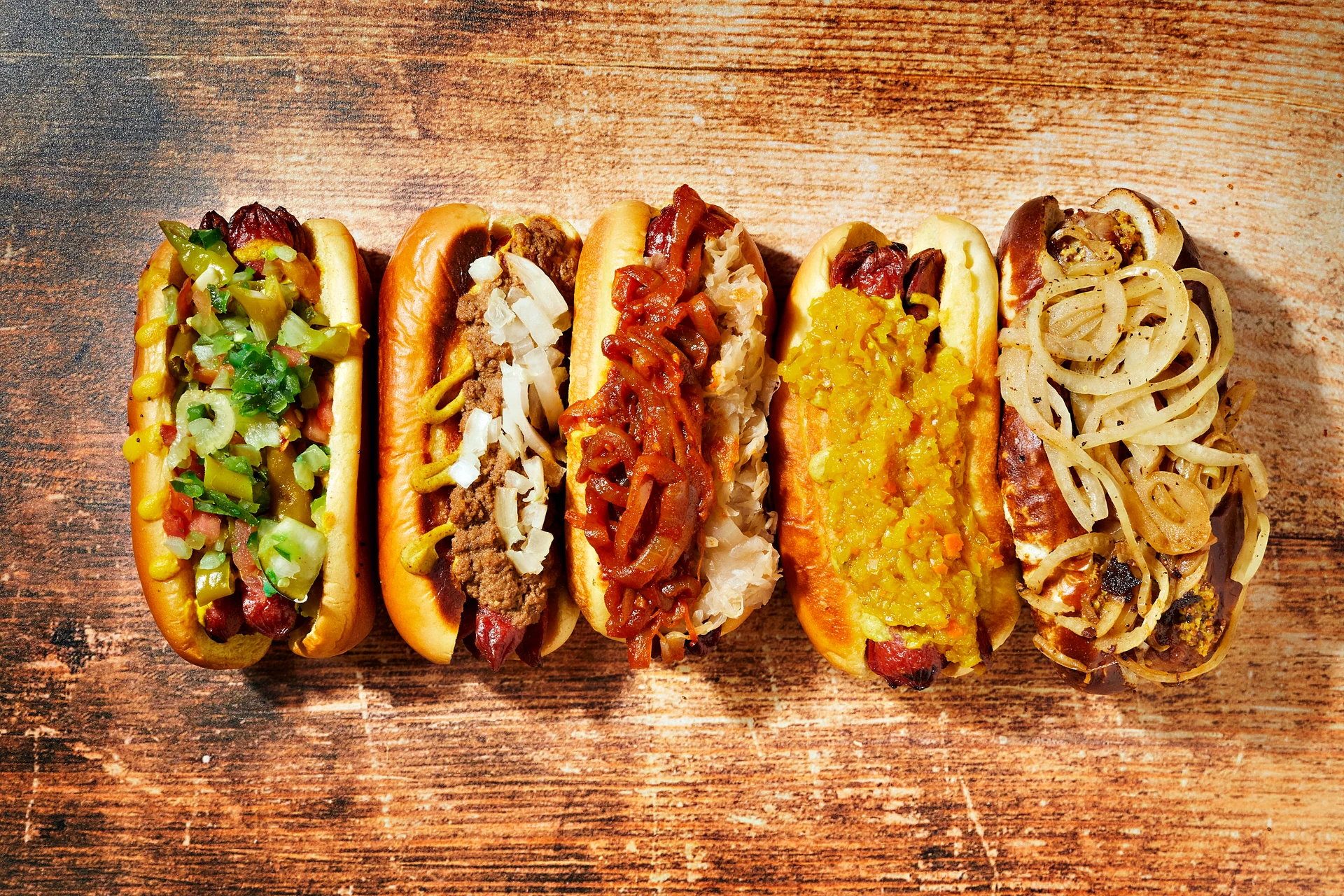
The Catalyst Hot Dogs cart runs on a Roseda Farm hot dog. Dry-aged, Black Angus, all beef, made in Maryland. The bun gets a quick toast. The toppings, including the relish and the onion sauce that anyone who grew up near a Jersey hot dog joint will recognize, are made on site. That is the whole proposition, and for the last stretch of cart life in and around Columbia, Maryland, it has been enough to build a regular crowd.
Catalyst is a mobile hot dog concept built around the culinary tradition of New Jersey’s old-school hot dog stands, dropped into the DMV. The owner sources the dogs from Roseda Farm in Maryland, which is unusual for a cart operation; most carts in this category buy a national-brand all-beef dog and call it a day. Catalyst’s whole pitch is that a hot dog can be a premium product without becoming a precious one. The price stays in the comfort-food range. The line moves. The thing in the bun is better than it has any business being.
What a cart cannot do is grow past itself. The hours are the hours the cart can be open. The menu is the menu the cart can hold. The signature Garlic Knot Dog and the hand-spun milkshakes the owner has been planning for years cannot live on a cart, and neither can tavern burgers, mozzarella sticks, wings, or the slow-roasted pork and Italian cold cut sandwiches that would round out a real Jersey-style counter. To build the menu the owner has been carrying around in their head, Catalyst needed a door, four walls, and a kitchen.
That meant capital. A first brick-and-mortar lease, with deposit, build-out, equipment, and furnishings, is the kind of opening cost a young food business almost never has in the bank. A traditional small-business loan was not the right fit for a cart operator whose books read like a cart operator’s books. Two or three years of receipts from a mobile concept does not look like what a commercial underwriter wants to see when the ask is the cost of opening a restaurant. The owner did not name a specific bank, but the structural mismatch was clear from the business type and the early-stage revenue profile.
Why a community-funded raise made sense for a cart with regulars
Catalyst found Honeycomb Credit through the same path most small food businesses do: a structure that matched how the business had already grown. The cart had regulars. The regulars had been telling other people about the dogs for two years. A community-funded raise lets a business take capital from the people who already eat there and pay it back with interest over the life of the loan, without trading away ownership of the company.
The counterfactual matters here. The path Catalyst chose against was an equity round, which would have permanently changed who owned the business in exchange for the capital to open one storefront. For an owner whose whole concept depends on a specific point of view about what a hot dog should be, giving up a piece of the company to open the first location is a steep trade. A fixed-rate, fixed-term community-funded loan keeps the concept intact.
The raise closed at 67 percent of goal, past the funding minimum
Catalyst’s campaign opened on February 3, 2026 with a $75,000 ceiling and closed on March 5 with $50,393 raised from 59 investors. The raise closed short of the ceiling but past the funding minimum that lets a Honeycomb loan close, which is what matters for a first lease. Fifty-nine investors is not a marketing number. It is a roster of households with a small financial reason to ask where the cart is parked this weekend and to show up when the brick-and-mortar opens.
That is the bet the structure makes. Fifty-nine investors who already eat the hot dogs are now fifty-nine households with a stake in seeing the storefront work. Some of them are cart regulars. Some of them are friends of cart regulars. Whether that translates into the kind of opening-month traffic a new restaurant needs is the next several months of the business, and it is the kind of asset a bank loan does not come with.
The $50,393 goes to the things that get a first restaurant open. Lease deposit. Build-out. Equipment. Furnishings. Each of those is a line item a cart owner has never written a check against before, and each of them is what stands between a roster of regulars and a place to seat them.
The Garlic Knot Dog needs a fryer and a counter to be served from. The hand-spun milkshakes need a mixer and a freezer. The tavern burger needs a flat-top. None of that fits on the cart the owner has been running out of for the last two years. All of it fits in the lease the raise is funding.
Your turn
Could your business raise like this?
Honeycomb Credit helps small businesses raise capital from the people who already love them. If that sounds like a fit, we’ll walk you through whether your business qualifies.