Funded by their community · Huntsville, AL
Why Guajana Distillery is running out of rum before it can make more
A Madison, Alabama distillery whose demand has outpaced what its still can pour each month
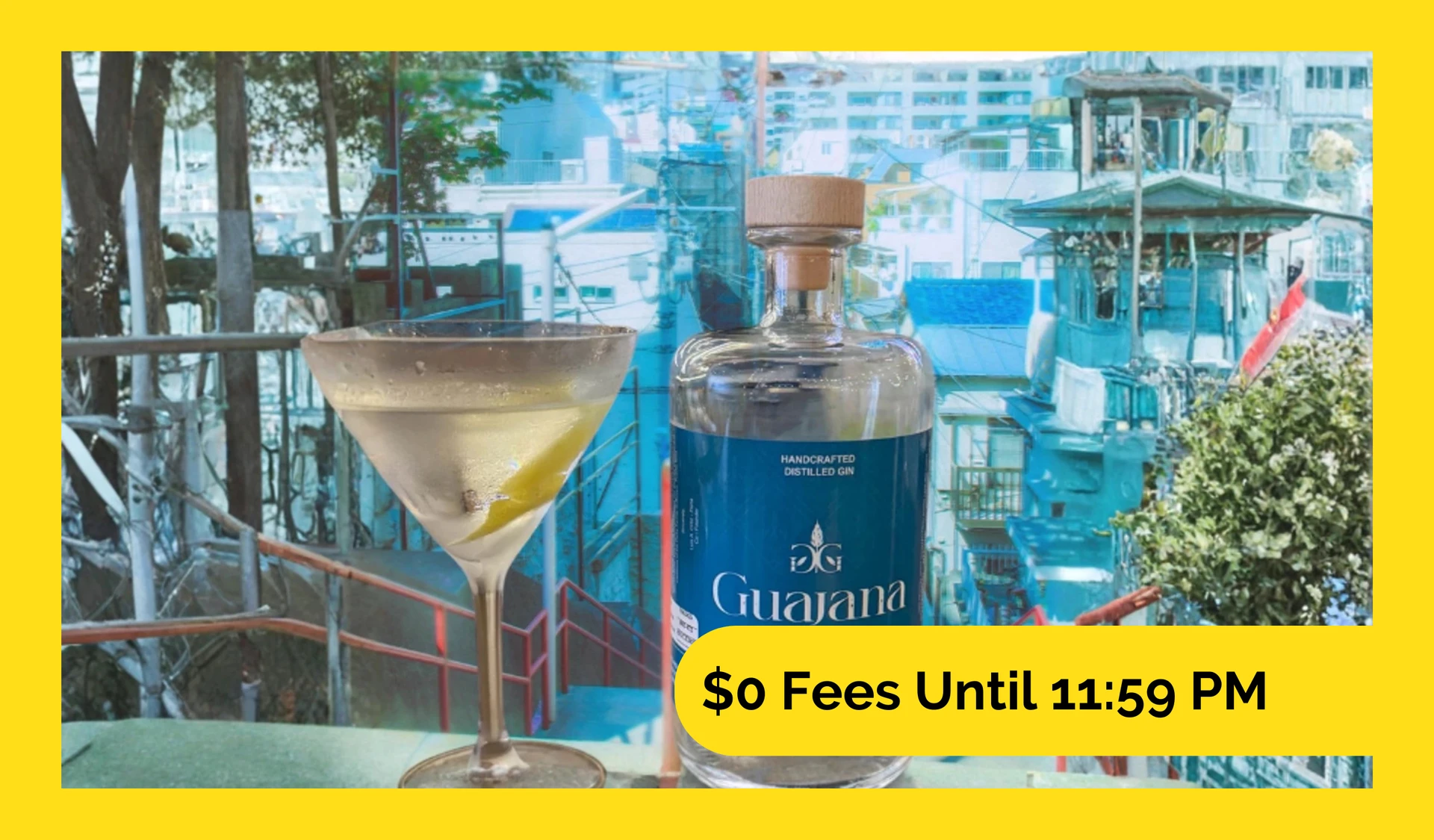
A super-premium rum problem most distilleries would envy
The problem at Guajana Distillery is the kind that sounds good in a sentence and feels worse in a warehouse. People want more rum than the still can make. Orders are coming in faster than the bottles are going out. The waiting list is the kind of thing that flatters a brand for a quarter and threatens it by the second one, when a buyer who couldn’t get product moves on to a competitor that could.
Guajana is a small distillery in Madison, Alabama, just outside Huntsville, making super-premium rum, vodka, and gin using traditional methods. The team has been deliberate about quality and consistency, and customers and visitors have put Guajana’s bottles at the top of the short list of spirits made in the state. That positioning has done its work. The distillery has the demand it spent years building toward.
What it does not have is the throughput to meet it.
A distillery’s production ceiling is set by physical things — the size of the still, the rate the fermenters can turn, the cases of glass and closures and labels on hand at any given moment. Every one of those is a capital line, and every one of them gets harder to scale on cash flow alone when orders are already pushing what the current setup can produce. The risk in this kind of growth window is specific and unforgiving: back orders that strain wholesale relationships, retailers who need a reliable resupply cadence, and a brand reputation built on consistency that a missed shipment can undo.
Walking that into a bank is a hard pitch. The collateral picture for an early-stage distillery is mostly aging inventory and specialty equipment, neither of which a commercial lender values the way a balance sheet wants. The owner didn’t name a specific bank in the campaign materials, but the structural mismatch is clear from the category alone — super-premium spirits at a small footprint don’t read like the file a small-business loan officer is set up to underwrite quickly. An equity round was the other path, and it would have meant trading a permanent piece of a distillery the team has built deliberately for working capital that will be spent in twelve to eighteen months.
Raising from the people who already know the bottle
Guajana opened a Honeycomb Credit raise on March 10, 2026, with a $100,000 ceiling. The campaign closed on April 9 with $45,723 from 33 investors. That’s short of the ceiling, but past the funding minimum that lets a Honeycomb loan close — meaning the capital is in the business, the loan is funded, and the next round of raw materials and production lines up against it.
The mechanism the distillery chose against is worth naming. A community-funded loan through Honeycomb is a fixed-rate, fixed-term debt instrument: the distillery keeps 100 percent of its equity, and the 33 investors get repaid with interest over the life of the loan. Compared to the equity route, that’s a meaningful difference. A small distillery that gives up ownership in year three has given it up forever; a small distillery that takes on a community loan in year three pays it off and keeps the cap table where it was.
33 investors, 33 households with a stake
Thirty-three is a small enough number to be specific about. On a campaign this size in this category, the investor list looks less like a customer database and more like the people who have already been to the tasting room or know someone who has. A bottle of super-premium rum is not an impulse buy, and an investor in a super-premium rum brand tends to be someone who has already opened one.
That’s the structural bet underneath the raise. Thirty-three investors are now thirty-three households with a small financial reason to ask their local liquor store whether Guajana is on the shelf, to bring a bottle to a dinner instead of a more familiar label, to mention the distillery to the friend who is into spirits. None of that is guaranteed advocacy — campaigns don’t come with a contract for word-of-mouth — but it is the asset a bank loan does not come with, and the reason the structure is the structure.
The raise didn’t hit the ceiling. The capital it did secure goes to the bottleneck the owner described in plain terms: production capacity, and the ability to buy raw materials in larger quantities at better unit costs. Both are direct lines to gross margin. A distillery that can buy a pallet of glass instead of a few cases pays less per bottle. A distillery that can run a longer batch spreads the labor cost across more units. The funds don’t change what Guajana makes. They change how much of it the distillery can make at once, and at what cost.
The next twelve months are the test. The capital is in. The orders are already there. The question Guajana is now living with is whether the production lift catches up to the demand curve before the demand curve gets tired of waiting.
Your turn
Could your business raise like this?
Honeycomb Credit helps small businesses raise capital from the people who already love them. If that sounds like a fit, we’ll walk you through whether your business qualifies.