Funded by their community · Kingston, NY
How Lone Wolf used a Honeycomb raise to pay down expensive debt
A Kingston cocktail bar and Southeast Asian kitchen, choosing stability over expansion
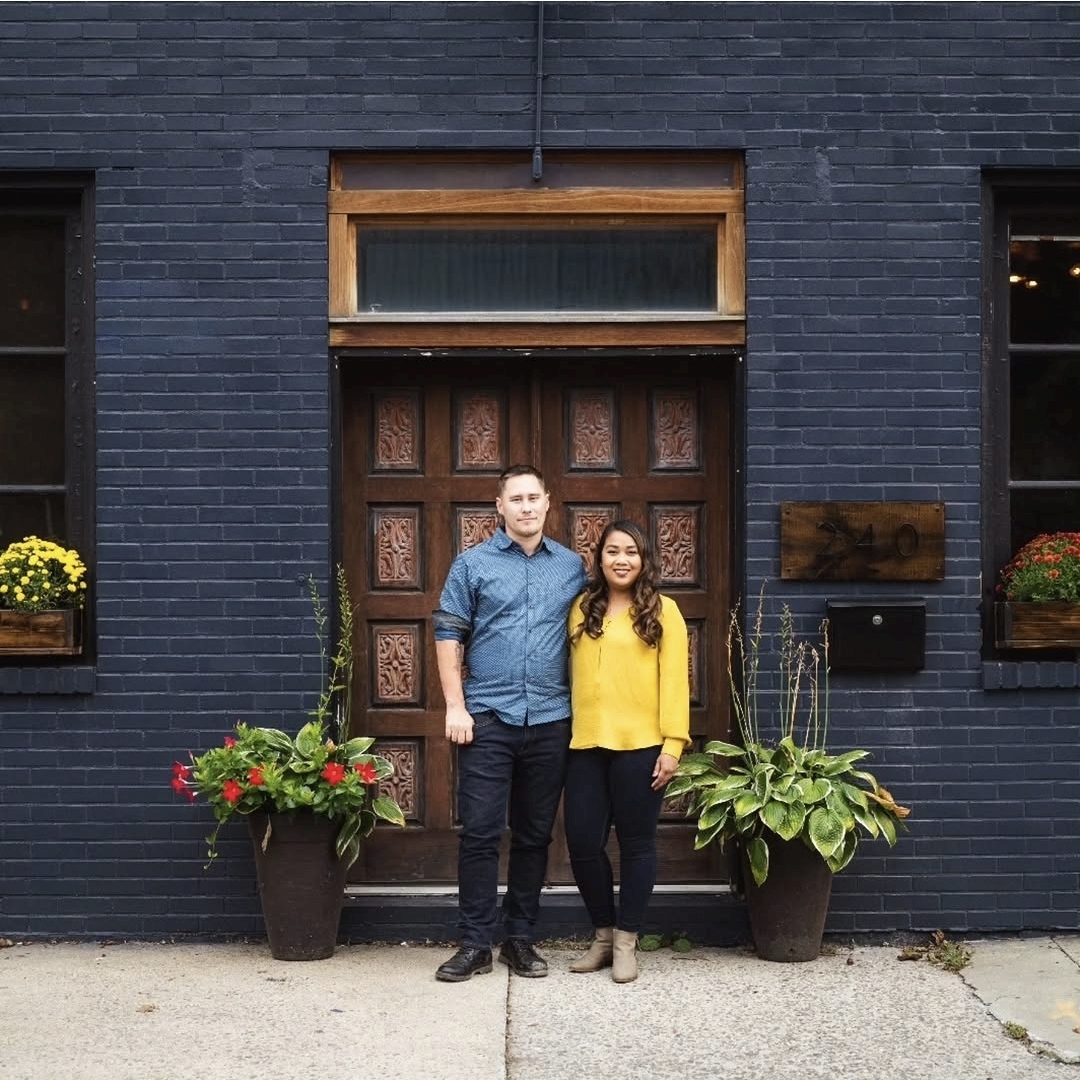
A Kingston bar built to last, not to scale
Lone Wolf opened in Kingston, New York in late 2023 with a Southeast Asian menu that leans Cambodian and a cocktail program built on technical precision rather than trend-chasing. Two and a half years in, the bar has the kind of regulars who come back for the same drink and stay for whatever the kitchen sent out that week. The current raise was not about opening a second location or remodeling the room. It was about paying down expensive debt before the next slow season.
That distinction matters, and it is the reason this case study is worth reading if you are running a small hospitality business carrying balances you took on to get the doors open.
The kind of debt small restaurants accrue
Most independent restaurants that survive their first two years do so by absorbing some kind of expensive capital along the way. A merchant cash advance taken during a slow month. A high-rate equipment lease. Personal credit cards that stayed maxed longer than anyone wanted. The interest rates on those obligations rarely match the margins of a kitchen and bar, and the monthly servicing eats into the cash that should be funding payroll, inventory, and the small repairs that keep a room running.
Lone Wolf’s owner did not name the specific lenders or rates in the offering, but the framing was direct: the business was carrying high-cost obligations that were squeezing day-to-day operating cash. The raise was structured to pay those down, lower the monthly burden, and build a small buffer against rising costs. That is a different conversation than most case studies, which tend to be about the next storefront or the new piece of equipment. This one is about protecting what already works.
A traditional small-business loan was not the right shape for that job. A bank looking at an independent cocktail bar two years in, with a young P&L and the kind of revenue mix that lives partly on Toast and partly in tip pools, is a bank that asks for a long underwriting process and often arrives at terms that look a lot like the debt being refinanced. Equity was not on the table either. The owner had built a specific point of view in a specific small city, and giving up a piece of the business to clean up its balance sheet would have been a strange trade.
What the raise actually closed at
The campaign opened on April 1, 2026 with a $60,000 ceiling and closed on May 1 at $25,048 from 43 investors. That is roughly 42 percent of the maximum and short of the upper goal — but the raise closed, which means it cleared the funding minimum that lets a Honeycomb loan fund and disburse. Reg CF is all-or-nothing above that minimum, and a campaign that closes at $25,000 against a $60,000 ceiling is a campaign that funded.
Forty-three investors is not a marketing-list number. For a single-room bar in a city the size of Kingston, it is roughly the size of a strong Friday service. The vocabulary of “neighbors” fits here in a way it doesn’t always — these are people who can walk to the bar, and many of them already have.
The structure is the bet. Forty-three investors who already drink at Lone Wolf are now forty-three people with a small financial reason to bring a friend in on a Tuesday, to mention the kitchen to someone visiting from out of town, to keep an eye on whether the room is full. Whether that advocacy shows up in the receipts is the next twelve months of the business. The mechanism is real either way: people who put their own money into a business tend to show up for it.
What the money is doing
The funds are going toward retiring high-cost obligations and building working capital. In practical terms, that means a lower monthly debt-service line on the P&L and more room in the operating account when a slow week hits or a vendor invoice arrives early. It is not glamorous use of proceeds. It is the kind of use of proceeds that lets a small bar stay open through the part of the year when foot traffic dips and stay staffed when a line cook gives notice.
For a reader running a small hospitality business with similar debt on the books, the relevant takeaway is that a Honeycomb raise can be structured around stability rather than growth. The platform tends to get talked about as growth capital — fund the second location, buy the new equipment, expand the production run. It also works as the thing you reach for when the goal is to clean up the capital structure of a business that is already operating well, in front of an audience that already shows up.
Lone Wolf’s owner described the goal in one line in the offering: build something that lasts. The raise was the financial version of that sentence. The bar opens tonight at five, the same kitchen sending out the same menu, with a balance sheet that has a little more room in it than it had a month ago.
Your turn
Could your business raise like this?
Honeycomb Credit helps small businesses raise capital from the people who already love them. If that sounds like a fit, we’ll walk you through whether your business qualifies.