Funded by their community · Irwin, PA
Sigma Snacks closed below goal in Irwin, PA — money returned to 18 backers
A caffeinated cookie maker outside Pittsburgh ran the raise, and the math didn't clear the minimum
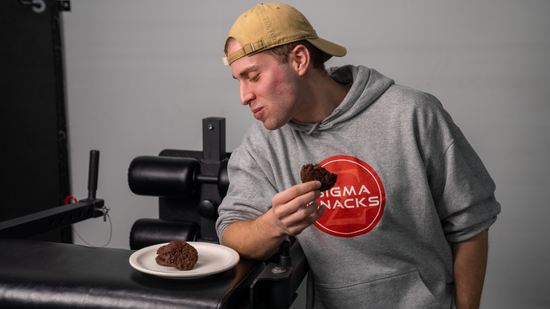
A cookie that's also a cup of coffee
Sigma Snacks is a chocolate cookie with caffeine baked into it. One cookie is meant to do the job of a snack and a cup of coffee at the same time, for somebody who is already running between two things and does not have a free hand for either. The caffeine is plant-based. The format is a cookie because a cookie is what people will actually eat at their desk, in the car, between sets, or on the way to a second shift.
The business is run out of Irwin, Pennsylvania, about 25 miles east of Pittsburgh. Its customers are the people the product description names directly: athletes, students, first responders, military personnel, parents, executives. The thread connecting them is that they are all eating on the move and reaching for caffeine separately. Sigma’s bet is that combining the two into one shelf-stable item is a real product, not a novelty.
On a small CPG balance sheet, almost every dollar is already spoken for. Raw ingredients, packaging, and the labor to bake the cookies are the first call on cash. After that, the warehousing and fulfillment costs that come with dropshipping, the freight to get product to customers, and the ShipStation subscription that keeps the shipping software running. Then marketing, which for a snack at this stage is festivals and farmers markets in person plus Shopify, Google Ads, and Facebook Ads online. Then accounting fees, QuickBooks, and seller’s insurance. None of those line items are large on their own. Together they are the whole job of running a young food brand, and they all want to be paid every month.
Why the raise, and what was riding on it
A traditional small-business loan is a tough fit for a CPG brand at Sigma’s stage. The collateral is inventory that hasn’t sold yet, the revenue is built one farmers-market weekend at a time, and the cash-flow statements look like exactly what they are: a young business buying its way into shelf placement. Honeycomb Credit is built for that profile. The capital comes from people who already eat the product or know somebody who does. The structure is a fixed-rate, fixed-term community-funded loan. The cap table stays where it is.
For Sigma, the upside of that structure was specific. The same investors who put money into the raise were the most plausible source of word-of-mouth at the next festival booth, the next farmers market, the next conversation with a small grocer about taking a case. A community-funded raise was a way to put working capital and a small advocacy network on the books at the same time.
What happened on this raise
Sigma Snacks opened its Honeycomb campaign on March 14, 2024 with a goal of $50,000 and a 30-day window. The raise closed on April 13, 2024 with $30,967.75 pledged from 18 investors. That total is short of the funding minimum a Regulation Crowdfunding raise has to clear for the loan to actually close. Because the minimum wasn’t met, no loan was issued. The pledged funds were returned to the 18 investors. Sigma Snacks did not receive capital from this campaign.
It is worth being direct about that, because the small-business owner reading this case study is weighing whether to run a raise of their own and deserves to see what an unsuccessful close looks like alongside the successful ones. Honeycomb is all-or-nothing above a stated funding minimum. A raise that closes below that line returns the money. The platform’s structure protects investors from a partially-funded business that can’t actually do what the offering promised, and it protects the business from being on the hook for a loan that won’t cover what the use of proceeds described.
Eighteen investors is not a small number for a snack company most of the country hasn’t heard of. It is a real signal that the product earned commitment from people who tried it. It is also, on its own, not enough to clear a $50,000 Reg CF minimum on a 30-day timeline. The two facts sit next to each other, and both are true.
What a raise like this surfaces, more than anything, is the size of the audience that already knew the business when the campaign opened. Honeycomb raises tend to clear when the customer base going in is larger than the raise needs. A $50,000 goal with 18 investors averages out to roughly $1,700 per investor, which means the campaign was relying on a smaller group of larger checks rather than a wide base of $100 commitments from regulars. That math can work, but only when the larger checks are lined up before the page goes live.
For a small-business owner considering a Honeycomb raise after reading this: the most useful thing Sigma’s outcome shows is that the size of your already-existing customer list, before you launch, is the single biggest predictor of whether the raise will close. Sigma Snacks is still operating out of Irwin, still selling cookies, and still working the festival and farmers-market circuit that any young food brand is working at this stage. The Honeycomb chapter closed in April 2024 without funding. The business kept going.
Your turn
Could your business raise like this?
Honeycomb Credit helps small businesses raise capital from the people who already love them. If that sounds like a fit, we’ll walk you through whether your business qualifies.