Funded by their community · Cambridge, MA
A New Jersey Superfund site becomes a community solar project for 250 households
Tatleaux Solar Group is building 1 MW of generation on land that sat idle for decades
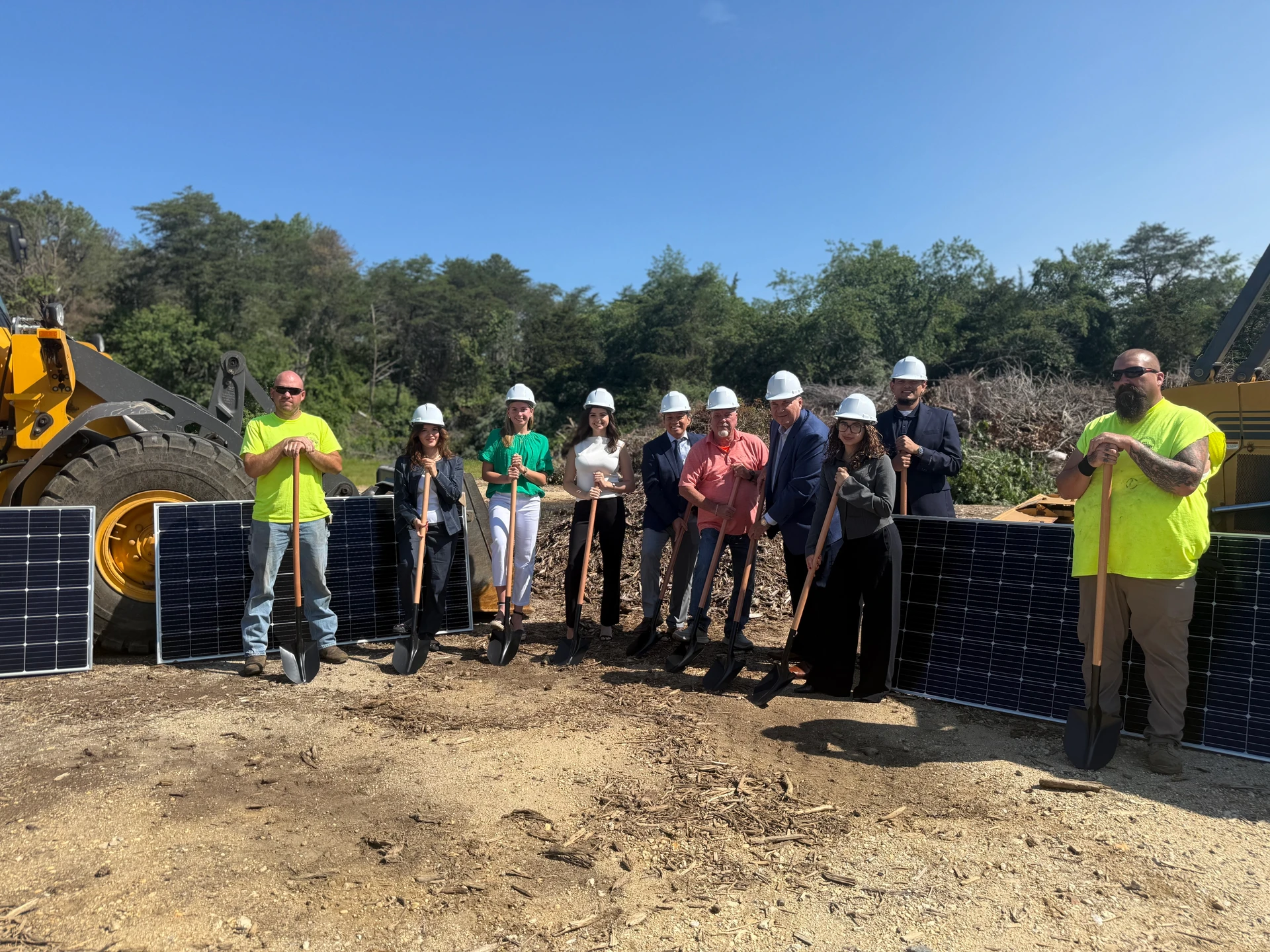
Pemberton, a fence line, and a piece of contaminated ground
Drive past the Lang Superfund site in Pemberton Township, New Jersey, and what you see is a piece of ground the neighborhood has been told to ignore for most of a lifetime. Federally designated, formerly contaminated, fenced off, idle. The houses next to it are still there. The people in those houses still pay an electric bill every month. The land in between has done nothing for any of them in decades.
That fence line is what Tatleaux Solar Group is building against. Tatleaux is a community solar developer headquartered in Cambridge, Massachusetts, working almost exclusively in New Jersey, and almost exclusively on the kind of land most developers will not touch. The Burlington Brownfield Community Solar Project is a 1 megawatt array planned for the Lang site itself. Once it is built and energized, it is expected to serve roughly 250 households in the surrounding area with electricity priced below what those households are paying the utility today.
The model is specific in a way that matters. Most commercial solar in the United States is built to sell power back to the grid through long-term wholesale contracts. The arrays exist on the grid; the people who live near them do not see the savings. Tatleaux’s projects are wired differently. The electricity from a Tatleaux array is sold directly to residential customers in the project’s service area, most of whom live in low-income census tracts. The savings show up on the bill of the person who lives down the road from the panels. Building that residential subscription infrastructure is the harder half of community solar, and it is the half most developers skip.
The Burlington Brownfield project sits inside a portfolio Tatleaux has been assembling on the same logic. A Superfund site cannot easily be rebuilt as housing, a school, or a park. It can hold a solar array. The cleanup standard for a capped industrial site is compatible with the engineering of a ground-mounted PV system in ways it is not compatible with anything that puts people on the ground every day. The land is cheap because almost nobody else wants it. The community next to it has been waiting for someone to do something with it for a generation. The math works for both sides if a developer is willing to do the brownfield permitting work.
Why a community raise instead of project finance
Solar developers usually finance the construction of an array through project debt and tax-equity partners, both of which arrive after the project clears its development phase. Development is the work that happens before any of that capital shows up: site control, permits, interconnection studies, environmental review, engineering drawings finalized to the point where a contractor can build from them. It is the unglamorous middle of a project, and it is also the part of the capital stack that is hardest to fill from a bank.
The Burlington Brownfield project is in that middle. The site is controlled, the engineering is most of the way done, and the remaining work is the permitting, engineering finalization, and pre-construction tasks that need to be cleared before construction can start. The capital raised in this offering goes entirely to that final development push. Tatleaux Solar Group, the parent company, is putting in additional capital alongside the investor funds, and construction is currently scheduled to complete in spring of 2027.
For a project on a Superfund site, the relationship with the surrounding community is not optional infrastructure — it is the project. The customers of the array will be Pemberton residents. The workforce on the construction site will include Pemberton residents, recruited and trained through a workforce program Tatleaux runs alongside each project. Raising the final development capital from a community of small investors who chose to back this specific project, on this specific piece of ground, is closer in shape to the project itself than a wholesale debt facility would have been.
One hundred and twenty-four investors, $116,305
The campaign closed on June 1, 2026 with $116,305 raised from 124 investors. The use of proceeds is narrow and specific: completing the remaining permitting, finalizing engineering, and getting the project across the line that separates development from construction. There is no marketing line item, no working capital sleeve, no debt refinancing. The money pays for the work that has to happen between now and the day a contractor can break ground.
One hundred and twenty-four investors is a meaningful number for a project of this kind. A standard community solar development raise at this stage of the capital stack is usually a conversation with two or three accredited check-writers. Replacing that with 124 people changes who the project is accountable to. Each of those investors gets a return paid out of the same project economics that will, two years from now, lower an electric bill in Pemberton.
The workforce training program is the part of the model that does the most to bind those two outcomes together. Tatleaux recruits residents from the area around each project, trains them in solar installation and operations, and then employs them on the construction of the array itself. The people who learn the trade on the Burlington Brownfield site become the people qualified to work on the next New Jersey project, and the one after that. The training is not a community-benefit add-on bolted to the side of the project; it is how Tatleaux staffs its build-out.
The Burlington Brownfield array, when it is energized, will be a 1 megawatt generator sitting on land that has produced nothing for the people of Pemberton in a very long time. Two hundred and fifty households will see the savings on their bill. A workforce trained on the site will carry that skill forward to the next project. The fence line stays where it is. What sits behind it changes.
Your turn
Could your business raise like this?
Honeycomb Credit helps small businesses raise capital from the people who already love them. If that sounds like a fit, we’ll walk you through whether your business qualifies.